

നാനോടെക്നോളജിയിലെ കണ്ടെത്തലുകൾക്ക് പിന്നിലെ മൂന്നു യു.എസ്. ഗവേഷകർക്ക് രസതന്ത്രത്തിനുള്ള നൊബേൽ. ക്വാണ്ടം ഡോട്ടുകൾ കണ്ടെത്തി വികസിപ്പിച്ച മൗംഗി ജി. ബവേൻഡി, ലൂയിസ് ഇ. ബ്രുസ്, അലെക്സി ഐ. ഇക്കിമോവ് എന്നിവരാണ് അർഹരായത്.
ഒ എൽ ഇഡി ടിവിയും എൽ ഇ ഡി വെളിച്ചവും മുതൽ സർജറി രംഗം വരെ
ടെലിവിഷനും എൽ.ഇ.ഡി. വിളക്കുകളും മുതൽ സർജറിയുടെ രംഗത്ത് വരെ നാനോ ഡോട്ടുകളുടെ കണ്ടെത്തൽ ഇന്ന് പ്രയോഗിക്കപ്പെടുന്നു. ക്വാണ്ടം ഡോട്ടുകളുടെ കണ്ടെത്തലോടെ നാനോടെക്നോളജിയിൽ ഇവർ പുതിയ വഴിവെട്ടുകയാണ് ചെയ്തതെന്ന് നൊബേൽ അക്കാദമി വ്യക്തമാക്കി.
ആറ്റത്തിലെ ഇലക്ട്രോണുകളുടെ എണ്ണം അനുസരിച്ചാണ് ഒരു മൂലകത്തിന്റെ സവിശേഷതകൾ കണക്കാക്കുന്നത്. പക്ഷെ തീരെച്ചെറിയ നാനോതലത്തിലെത്തുമ്പോൾ ഈ ഘടന അട്ടമറിയും. നാനോതലത്തിൽ കാര്യങ്ങളുടെ നിയന്ത്രണം ക്വാണ്ടം പ്രതിഭാസങ്ങൾക്കാണ്. പദാർഥത്തിന്റെ വലുപ്പത്തിന് അല്ലെങ്കിൽ വലുപ്പക്കുറവിനാണ് പ്രാധാന്യം.
ക്വാണ്ടം പ്രതിഭാസത്തെ കാര്യങ്ങളെ നിയന്ത്രിക്കാൻ പാകത്തിലുള്ള സൂക്ഷ്മകണങ്ങളായി പവർത്തിപ്പിച്ച് ഉപയോഗിക്കാൻ ക്വാണ്ടം ഡോട്ടുകളുടെ കണ്ടെത്തൽ വഴി സാധ്യമായി. നാനോടെക്നോളജി രംഗത്തെ വൻമുന്നേറ്റമെന്ന് ക്വാണ്ടം ഡോട്ടുകളുടെ കണ്ടെത്തൽ വിലയിരുത്തപ്പെടുന്നു.
വലുപ്പത്തിന്റെ അടിസ്ഥാനത്തിൽ, നാനോകണങ്ങളിൽ വ്യത്യസ്ത ക്വാണ്ടംസവിശേഷതകൾ സാധ്യമാകുമെന്ന് സൈദ്ധാന്തികമായി ഏറെക്കാലമായി അറിയാവുന്ന സംഗതിയായിരുന്നു. നാനോമാനങ്ങളിലേക്ക് പക്ഷെ പദാർഥകണങ്ങളെ എത്തിക്കുക എങ്ങിനെ എന്ന് നിശ്ചയമില്ലായിരുന്നു.
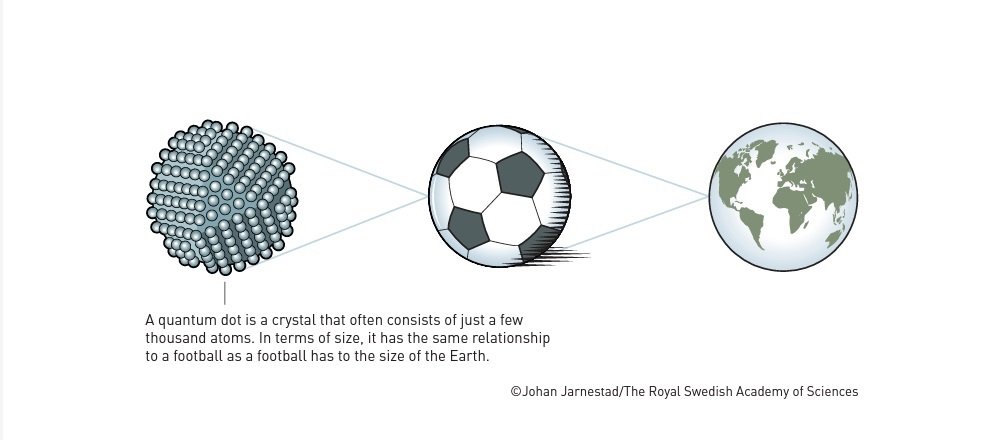
ക്വാണ്ടം ഡോട്ടുകളെ വിശേഷിപ്പിക്കുന്നത് ഒരു ഫുട്ബോളിൻ്റെ വലിപ്പം ഭൂമിയുടെ വലിപ്പത്തിന് ഒപ്പമാണെങ്കിൽ ഒരു സാധാരണ ഫുട്ബോൾ എത്രവലുതാണോ അത്രയും വലിയ കണം എന്നാണ്.
ഇക്കിമോവ് തുടക്കമിട്ട പഠനം, ഏതാനും വർഷത്തിന് ശേഷം ന്യൂയോർക്കിലെ തന്നെ കൊളംബിയ യൂണിവേഴ്സിറ്റിയിലെ ലൂയിസ് ബ്രുസ് മുന്നോട്ട് നയിച്ചു. തുടർന്ന് രംഗത്തെത്തിയത് മസാച്യൂസെറ്റ്സ് ഇൻസ്റ്റിട്ട്യൂട്ട് ഓഫ് ടെക്നോളജി (എം.ഐ.ടി) യിലെ മൗംഗി ബവേൻഡിയാണ്. അദ്ദേഹം ക്വാണ്ടം ഡോട്ടുകളുടെ രാസപരമായ നിർമാണം വിപ്ലവകരമായി നവീകരിച്ചു. അതോടെ, വിവിധ ഉപയോഗങ്ങൾക്ക് പദാർഥത്തിന്റെ ആ സൂക്ഷ്മകണങ്ങളെ ഉപയോഗിക്കാൻ വഴിതുറന്നു.
അസാധ്യമെന്ന് കരുതിയത് യാഥാർഥ്യമാക്കിയവരാണ് ഇത്തവണത്തെ കെമിസ്ട്രി നൊബേൽ ജേതാക്കൾ.
GK Part
The Nobel Laureates in Chemistry 2023 have succeeded in producing particles so small that their properties are determined by quantum phenomena. The particles, which are called quantum dots, are now of great importance in nanotechnology.
“Quantum dots have many fascinating and unusual properties. Importantly, they have different colours depending on their size,” says Johan Åqvist, Chair of the Nobel Committee for Chemistry.
Physicists had long known that in theory size-dependent quantum effects could arise in nanoparticles, but at that time it was almost impossible to sculpt in nanodimensions. Therefore, few people believed that this knowledge would be put to practical use.
However, in the early 1980s, Alexei Ekimov succeeded in creating size-dependent quantum effects in coloured glass. The colour came from nanoparticles of copper chloride and Ekimov demonstrated that the particle size affected the colour of the glass via quantum effects.
A few years later, Louis Brus was the first scientist in the world to prove size-dependent quantum effects in particles floating freely in a fluid.
In 1993, Moungi Bawendi revolutionised the chemical production of quantum dots, resulting in almost perfect particles. This high quality was necessary for them to be utilised in applications.
Quantum dots now illuminate computer monitors and television screens based on QLED technology. They also add nuance to the light of some LED lamps, and biochemists and doctors use them to map biological tissue.
Quantum dots are thus bringing the greatest benefit to humankind. Researchers believe that in the future they could contribute to flexible electronics, tiny sensors, thinner solar cells and encrypted quantum communication – so we have just started exploring the potential of these tiny particles.
Quantum dots now illuminate computer monitors and television screens based on QLED technology. They also add nuance to the light of some LED lamps, and biochemists and doctors use them to map biological tissue.
Quantum dots are thus bringing the greatest benefit to humankind. Researchers believe that in the future they could contribute to flexible electronics, tiny sensors, thinner solar cells and encrypted quantum communication – so we have just started exploring the potential of these tiny particles.
About the Moungi G. Bawendi, Louis E. Brus and Alexei I. Ekimov
- Moungi G. Bawendi
Moungi G. Bawendi, born 1961 in Paris, France. PhD 1988 from University of Chicago, IL, USA. Professor at Massachusetts Institute of Technology (MIT), Cambridge, MA, USA.
- Louis E. Brus
Louis E. Brus, born 1943 in Cleveland, OH, USA. PhD 1969 from Columbia University, New York, NY, USA. Professor at Columbia University, New York, NY, USA.
- Alexei I. Ekimov
Alexei I. Ekimov, born 1945 in the former USSR. PhD 1974 from Ioffe Physical-Technical Institute, Saint Petersburg, Russia. Formerly Chief Scientist at Nanocrystals Technology Inc., New York, NY, USA.
About the Nobel Prize in Chemistry
The Nobel Prize in Chemistry has been awarded 114 times to 191 Nobel Prize laureates between 1901 and 2022. Frederick Sanger and Barry Sharpless have both been awarded the Nobel Prize in Chemistry twice. This means that a total of 189 individuals have received the Nobel Prize in Chemistry. Click on the links to get more information.
The Nobel Prize medal in chemistry was designed by Swedish sculptor and engraver Erik Lindberg and represents Nature in the form of a goddess resembling Isis, emerging from the clouds and holding in her arms a cornucopia. The veil which covers her cold and austere face is held up by the Genius of Science.
Youngest chemistry laureate
To date, the youngest Nobel Prize laureate in chemistry is Frédéric Joliot, who was 35 years old when he was awarded the chemistry prize in 1935, together with his wife, Irène Joliot-Curie.
Oldest chemistry laureate
The oldest Nobel Prize laureate in chemistry to date is John B. Goodenough, who was 97 years old when he was awarded the chemistry prize in 2019. He is also the oldest laureate to be awarded in all prize categories.


